

The hidden toll of gambling on mental health Understanding the risks
The Psychological Impact of Gambling
Gambling often begins as a form of entertainment, offering excitement and potential financial rewards. However, the psychological ramifications can be significant. Individuals may experience heightened anxiety, depression, and stress as they navigate the highs and lows associated with gambling. The thrill of a win can quickly transform into despair after a loss, leading to a rollercoaster of emotions that can overwhelm one’s mental well-being. Many people seek out the best arizona online casinos without realizing the potential consequences on their mental state.
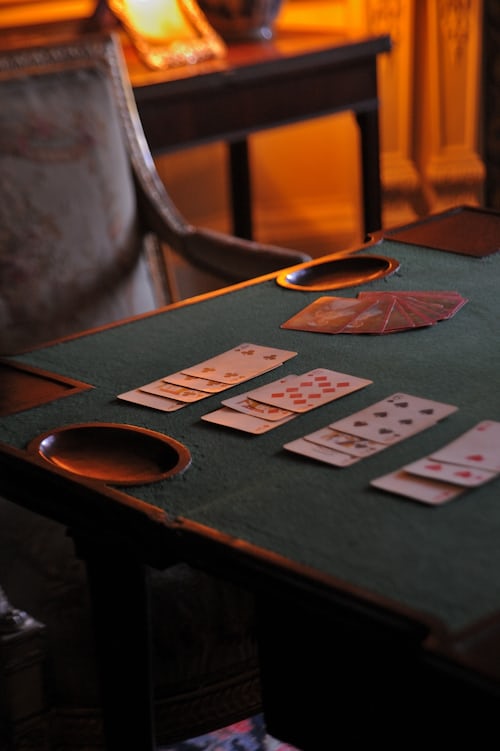
Moreover, the compulsion to gamble can lead to social isolation, as individuals may withdraw from friends and family to conceal their gambling habits. This withdrawal not only exacerbates mental health issues but also weakens support systems that are crucial for recovery. The impact on relationships can further amplify feelings of guilt and shame, creating a vicious cycle that is hard to break.
The Link Between Gambling and Addiction
Gambling addiction is a serious condition that affects many individuals, often without their awareness. This form of addiction can be as powerful as substance abuse, leading to compulsive behaviors that prioritize gambling over all other aspects of life. The brain’s reward system becomes hijacked, driving individuals to seek out the thrill of gambling at all costs, including financial and emotional stability.
As the addiction deepens, the mental toll intensifies. Individuals may resort to risky behaviors, including borrowing money or engaging in illegal activities to fund their gambling. This often leads to a detrimental impact on mental health, resulting in feelings of hopelessness and despair, which can spiral into severe mental health disorders.
Understanding the Warning Signs
Recognizing the warning signs of gambling-related mental health issues is vital for early intervention. Symptoms may include preoccupation with gambling, restlessness when attempting to cut down, and using gambling as an escape from problems. These signs often signal that gambling is no longer a form of entertainment but rather a destructive force in one’s life.
Furthermore, individuals may experience mood swings, irritability, or withdrawal from social situations. Acknowledging these signs is the first step toward seeking help and understanding the underlying issues contributing to the gambling behavior. Early identification can significantly improve the chances of recovery and overall mental health.
Support and Treatment Options
Addressing the mental health impacts of gambling requires a multifaceted approach. Therapeutic interventions, such as cognitive-behavioral therapy, can help individuals understand the triggers for their gambling behavior and develop healthier coping strategies. Support groups also play a crucial role in the recovery process, providing a safe space for sharing experiences and learning from others.
In addition to therapy and support networks, lifestyle changes, such as engaging in physical activities or hobbies, can significantly improve mental health. Finding alternative sources of enjoyment can replace the void left by gambling, leading to a more balanced life. Seeking professional help is essential for those struggling with gambling-related mental health issues.
More Resources and Information
For those looking to understand more about the hidden toll of gambling on mental health, numerous resources are available online. Websites dedicated to gambling addiction offer valuable information, including self-assessment tools and directories for finding local support groups. These resources can be pivotal in navigating the journey toward recovery.
It’s essential to stay informed about the mental health risks associated with gambling and to seek help if needed. Engaging with supportive communities and accessing educational materials can empower individuals to take control of their mental health and break free from the cycle of gambling addiction.